"Pursuing Growth," Letters From the Nest, August 19, 2024
It’s back-to-school season again, so we are all wondering how we’re possibly going to go all the places, learn all the stuff, and do all the things. Our family has one university professor, one seminary teacher, two college students (maybe three or four by winter), one high schooler, one middle schooler, and one elementary school student. Our lives continue to revolve around the school calendar as they have even before we were a family. It’s not so bad; it provides another opportunity to assess personal progress, reevaluate priorities, and set new goals. We naturally do this multiple times a year--New Year’s Day, springtime, the beginning of summer, school, birthdays, milestones, and more. We are pretty good at thinking about what we want, evaluating what we need to do to get there, and setting goals for achievement.
What’s on my mind this morning is how, in our goal-setting, maybe it’s okay to expect both failure AND success. Growth is about hits AND misses.
This last weekend, our family went to Pittsburgh to see the new temple for our church. The temple is open for visitors to tour for the next couple of weeks. Volunteering at the open house and seeing the new temple was fun, but we improved on that fun by also attending a Pirates vs. Mariners game, loading up on chocolate and treats at The Milkshake Factory, and interacting with hungry baby goats and deer at Living Treasures Animal Park.
How do our weekend activities relate to my thoughts on goal-setting, failure, and success? Let’s start with baseball, a topic of which I have little knowledge but enough to make some comparisons.
Like any sport, watching in person is much more engaging than viewing from home--not quite as exciting as playing your own backyard game, but pretty close, and we probably have fewer injuries.
Some of you know that a big part of sports is analyzing athletes' performance through statistics. Baseball, especially, is all about the numbers. At the game this weekend, the numbers displayed on the stadium scoreboard were initially overwhelming, but as the innings progressed, I learned to translate a few. For example, Batting Average (BA) essentially describes how often a batter gets a hit. In an article titled “Baseball Stats Explained for Beginners,” the author writes, “A .300 average would indicate that a player collected a hit on three of every ten at-bats. Ted Williams, Hall of Famer, two-time Triple Crown winner, and generally considered to be one of the best hitters in history (.344 career BA), once said, ‘A .300 hitter, that rarest of breeds these days, goes through life with the certainty that he will fail at his job seven out of ten times.’”
When I set goals for myself, I am NOT expecting a 75% or more chance of failure. In fact, I feel kind of down about things if I fail 10% of the time, but 10% failure means 90% success. Pretty good odds, right?
A regression line is another mathy thing that helps me think more positively about failure as it relates to growth. We have quoted Elder Clark G. Gilbert’s October 2021 General Conference talk, “Becoming More in Christ: The Parable of the Slope,” at many a family scripture study. The gist of the talk is, “In the Lord’s timing, it is not where we start but where we are headed that matters most.” But sometimes, our slope seems to be going down, even when we faithfully and intentionally work toward improvement. How frustrating! However, a regression line, or “line of best fit,” can show us, on average, if our progress is upward or downward. If our not-so-good behavior happens less often or to a lesser degree than our improved behavior, or if we keep good habits more often than we disregard them, that regression line will go up.
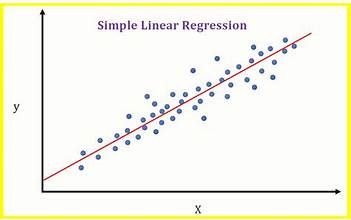
As we approach a new school year with new goals and expectations, a positive regression line is my hope for me, you, and our family relationships. My focus will be an intentional pursuit of growth rather than an insistence on perfection. I believe in you!! (And me.)
Comments